

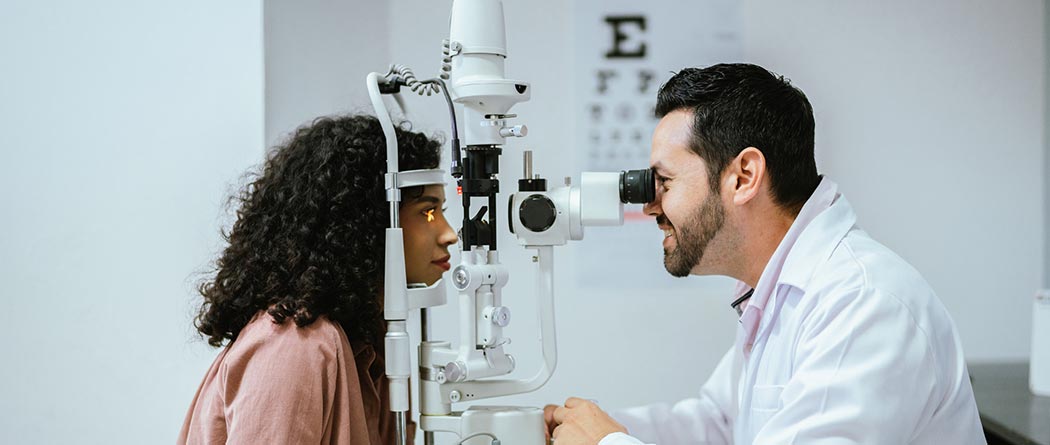
Education First: Helping Future Optometrists Prepare for Practice Ownership
For many optometry students, the clinical path is clearly defined. The path to private practice ownership is often less certain.
Students may graduate with extensive clinical knowledge but limited exposure to the financial and business considerations involved in purchasing, starting, operating, growing, or eventually transitioning an independent practice. Questions involving cash flow, debt, working capital, practice valuation, ownership structure, leases, equipment, and partner buy-ins may not arise until a student becomes an associate or is unexpectedly presented with an ownership opportunity.
Vision One Credit Union believes students should have access to this education before they are required to make a significant ownership decision.
That is why Vision One is offering a complimentary private practice ownership education initiative for third and fourth year optometry students, optometry schools, practice-management programs, student organizations, and practice-management clubs.
Education, Not a Sales Presentation
The program is based on a simple commitment:
Vision One is offering education, not a sales presentation.
There is no charge to the school, student organization, club, or participating students. Credit Union membership is not required, and students will not be asked to complete a loan application, open an account or provide any personal information.
Presentations will not focus on interest rates, product promotions, or immediate financing opportunities. Instead, the program is designed to help students understand the financial realities, opportunities, responsibilities, and long-term planning considerations associated with private practice ownership.
Students may choose to engage Vision One privately after a presentation, but follow-up is entirely optional. Participation does not create any obligation to establish a financial relationship with the Credit Union.
This educational approach reflects Vision One’s broader philosophy that private practice ownership is strengthened through informed decision-making, practical financial education, and access to experienced guidance. Vision One’s advisory services are designed to help optometrists understand the financial, operational, and strategic decisions that influence long-term practice success.
Why This Distinction Matters
Optometry schools and student organizations have an important responsibility to protect the educational environment. Faculty members and administrators may understandably be cautious about providing classroom or student-club access to a financial institution when the presentation could be perceived as a commercial solicitation.
Vision One respects that concern.
The purpose of this initiative is not to convert students into immediate borrowers. Most participating students may be several years away from purchasing or starting a practice. The purpose is to provide credible, practical education that helps future optometrists:
- Understand the different paths to ownership.
- Recognize the financial responsibilities associated with private practice.
- Ask better questions when evaluating an opportunity.
- Avoid common financial and transactional mistakes.
- Prepare more effectively for future ownership.
- Understand when legal, tax, accounting, valuation, and other professional guidance is necessary.
Vision One’s goal is for students to leave each session better informed, regardless of whether they ever establish a financial relationship with the Credit Union.
What Students Can Learn
The program can be customized to complement a school’s existing practice-management curriculum or address subjects identified by faculty members, administrators, and student leaders.
Educational topics may include:
Understanding the Paths to Ownership
Students can explore the differences among:
- Purchasing an established practice.
- Starting a new practice.
- Entering a partner buy-in.
- Joining an associate-to-owner pathway.
- Participating in an internal succession plan.
- Remaining employed while preparing for future ownership.
Each path has different financial requirements, risks, timelines, and professional considerations. The objective is not to promote one model over another, but to help students understand the alternatives.
Reading Practice Financial Statements
Future owners should understand how an income statement, balance sheet, and cash-flow analysis relate to the operation of an optometry practice.
Students can learn about:
- Revenue versus profitability.
- Cash flow versus reported income.
- Owner compensation.
- Cost of goods sold.
- Staffing and occupancy expenses.
- Working capital.
- Normalizing financial statements.
- Debt-service coverage.
- The difference between practice earnings and transferable earnings.
These concepts help students evaluate whether a practice can support reasonable owner compensation, debt payments, continued investment, and future growth.
Evaluating a Practice Acquisition
Buying a practice is one of the most important financial decisions an optometrist may make.
A prospective buyer should consider more than the asking price. Important questions include:
- Is the purchase price supported by historical financial performance?
- Does the practice generate sufficient normalized cash flow?
- How much working capital will be needed after closing?
- Is the practice overly dependent on the selling doctor?
- Does the lease support continued operation at the location?
- What risks could affect patient, employee, or revenue retention?
- Can the practice support the proposed debt while continuing to invest in operations?
Vision One’s acquisition guidance focuses on cash flow, purchase-price support, debt-service capacity, working capital, seller transition planning, lease continuity, and transaction structure.
Understanding Practice Value
Practice value is not determined by revenue alone.
Students can be introduced to the factors that influence transferable value, including:
- Normalized earnings.
- Owner dependence.
- Doctor production.
- Optical performance.
- Patient retention.
- Payer mix.
- Staffing depth.
- Lease terms.
- Equipment and technology.
- Growth capacity.
- Transition risk.
This education can help future buyers distinguish among asking price, purchase price, fair market value, and the amount a practice can reasonably support from a financing perspective.
Learning How Practice Financing Works
Students can also learn how lenders evaluate a practice-financing request, including:
- Historical and projected cash flow.
- Repayment capacity.
- Credit history.
- Personal financial strength.
- Borrower liquidity.
- Working-capital needs.
- Collateral and guaranty requirements.
- Loan term and amortization.
- Fixed-rate and variable-rate financing.
- Conventional and SBA financing alternatives.
The purpose is not to suggest that financing is guaranteed. It is to help students understand how financing decisions are made and how they can prepare responsibly for future ownership.
Planning for Long-Term Practice Success
Ownership education should extend beyond the initial transaction.
Students can benefit from understanding how decisions involving staffing, equipment, technology, facilities, debt, financial reporting, management development, and owner dependence may influence the long-term strength and eventual value of a practice.
Learning to “build with the end in mind” can help future owners create practices that are financially sustainable, less dependent on one person, and better prepared for future growth or transition.
Supporting Students Throughout the Ownership Lifecycle
Vision One’s commitment to independent optometry is not limited to established practice owners. Its advisory framework is intended to support students and associates exploring ownership, first-time buyers, existing owners planning growth, partners entering or exiting ownership, and owners preparing for succession or eventual sale.
A student attending an educational session today may later become:
- An associate evaluating an ownership track.
- A first-time practice buyer.
- A cold-start owner.
- A partner purchasing an ownership interest.
- An established owner considering expansion.
- A future mentor to another student.
- A seller preparing the next generation to continue the practice.
By beginning the educational relationship early, Vision One hopes to help students approach each stage with greater knowledge, preparation, and confidence.
Complementing Legal, Tax, Accounting, and Professional Advice
Private practice ownership involves decisions that extend beyond financing.
Vision One encourages students and future owners to work with qualified attorneys, accountants, tax professionals, valuation professionals, insurance advisors, and other appropriate specialists. The educational program is designed to help students understand when those professionals may be needed and what questions should be addressed.
Vision One’s advisory services are educational in nature and do not replace independent legal, tax, accounting, valuation, or other professional advice. Financing decisions remain subject to applicable underwriting, documentation, licensing, collateral, and borrower-qualification requirements.
Flexible Programs for Schools and Student Organizations
The educational initiative can be adapted to the needs of each institution or student group.
Potential formats include:
- Guest lectures.
- Practice-management class presentations.
- Student-club meetings.
- Lunch-and-learn programs.
- Interactive practice-acquisition case studies.
- Virtual ownership workshops.
- Financial-statement review sessions.
- Student question-and-answer forums.
- Multi-part private practice ownership series.
- Faculty and student roundtables.
Vision One will work with faculty members, administrators, and student leaders to select subjects that complement the school’s curriculum and address the interests of participating students.
An Investment in the Future of Independent Optometry
Private practice ownership supports clinical independence, patient relationships, professional opportunity, community involvement, and the long-term strength of the optometric profession.
Preparing the next generation of owners requires more than access to capital. It requires education before the transaction, guidance during the decision-making process, and continued support as the practice develops.
Vision One Credit Union is committed to helping future optometrists understand that ownership remains an achievable path when approached with realistic expectations, sound financial planning, appropriate professional advice, and a clear understanding of the responsibilities involved.
Invite Vision One to Your School or Student Organization
Optometry school administrators, practice-management faculty members, career-services professionals, student leaders, AOSA chapters, and practice-management clubs are invited to connect with Vision One Credit Union to discuss a complimentary educational presentation.
There is no cost, no membership requirement, no loan application, and no product-sales agenda.
The objective is simply to help students become better informed about private practice ownership before they are called upon to make one of the most important professional and financial decisions of their careers.
Contact Vision One Credit Union to schedule a presentation, request educational resources, or discuss how the program can complement your school’s private practice and practice-management curriculum.